
Understanding the psychology behind gambling behavior
The Allure of Gambling
The psychology behind gambling is deeply rooted in human emotions and cognitive processes. The thrill of placing a bet can evoke a rush of adrenaline, making it an enticing experience for many. This emotional high can lead to a temporary escape from reality, where individuals feel empowered and in control, even when the odds are stacked against them. The very act of gambling can create a unique blend of anticipation and excitement, drawing players back for more.
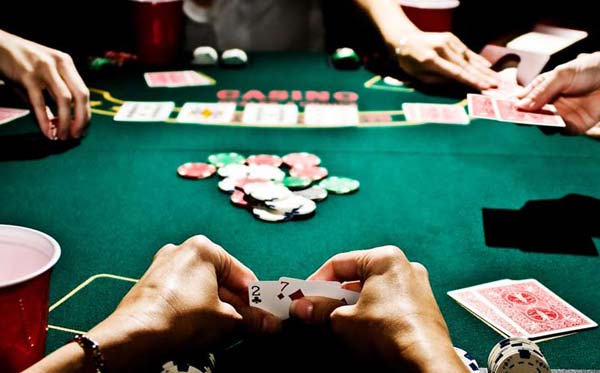
Moreover, the social aspect of gambling contributes to its appeal. Engaging with others in a casino or an online platform creates a sense of community. Players often share strategies, celebrate wins, and provide support during losses. This social interaction can enhance the experience, leading individuals to form connections that make gambling even more rewarding. The combination of excitement, cognitive biases, and social engagement creates a powerful psychological cocktail that drives gambling behavior.
The debate over the role of luck versus skill in gambling is a long-standing one. In games like poker, skill can significantly influence the outcome, as players need to strategize, read opponents, and manage their bankrolls effectively. Here, the psychology of decision-making comes into play, as skilled players can leverage their knowledge and experience to gain an advantage. This aspect of gambling can provide a sense of accomplishment, appealing to those who thrive on competition and strategic thinking.
On the other hand, games such as slots and roulette are primarily based on luck, leaving players with little control over the outcome. In these scenarios, the randomness of results can foster a sense of hope and possibility, encouraging individuals to keep playing. The potential for a jackpot, despite the odds, can create an addictive environment where players chase the elusive win. This reliance on luck often leads to cognitive distortions, where players attribute their wins to skill rather than chance, reinforcing their gambling behavior.
Understanding the balance between luck and skill is crucial for responsible gambling. Recognizing that certain games rely heavily on chance can help players make informed decisions about their gaming activities. By cultivating a realistic understanding of the odds and their own skills, individuals can better navigate the world of gambling without falling into the trap of overconfidence or addiction. This awareness is essential for maintaining a healthy relationship with gambling, ensuring it remains a source of entertainment rather than a detrimental habit.
Several psychological triggers contribute to the development of gambling addiction. One of the most potent factors is the intermittent reinforcement schedule that gambling creates. Similar to how slot machines operate, players receive sporadic rewards, making the experience more thrilling and unpredictable. This unpredictability can lead to heightened cravings, as players begin to chase their next win, often ignoring the financial and emotional consequences. This cycle can rapidly escalate, transforming what starts as a fun pastime into a compulsive behavior.
Additionally, underlying mental health issues often exacerbate gambling addiction. Individuals may turn to gambling as a coping mechanism for stress, anxiety, or depression. In these instances, the act of gambling serves as a temporary escape, providing a sense of relief or distraction from life’s pressures. However, this can create a dangerous cycle, where temporary relief leads to longer-term problems, including financial strain and strained relationships. The psychological need for escapism can become increasingly intertwined with gambling behavior, making it difficult for individuals to break free.
Awareness and education about the signs of gambling addiction are essential for prevention and recovery. Recognizing that gambling behavior can stem from emotional needs or psychological triggers can empower individuals to seek help when necessary. Support groups, counseling, and therapy can be effective avenues for those struggling with gambling addiction, providing them with the tools to address their challenges and develop healthier coping strategies. By addressing the psychological aspects, individuals can regain control over their gambling habits and foster a healthier relationship with risk and reward.
The environment in which gambling occurs plays a crucial role in shaping an individual’s behavior. For instance, physical casinos are designed to create an immersive and stimulating atmosphere, with bright lights, engaging sounds, and the enticing aroma of food and drinks. This sensory experience can enhance the thrill of gambling, encouraging players to stay longer and bet more. The layout of a casino, with its various games and amenities, is strategically crafted to maximize player engagement and spending.
In the digital realm, online casinos like Jackpot Raider provide a different but equally captivating environment. The convenience of playing from home or on-the-go appeals to a wide audience. The platform offers a seamless experience with enticing promotions, such as generous welcome bonuses and free spins, which can lure players in. The psychological impact of these offers is significant; they create a sense of urgency and excitement, encouraging users to engage more frequently and invest more money than they might in a traditional casino.
Furthermore, social influences within these environments can affect gambling behavior. Players may feel pressured to keep up with peers or follow trends, particularly in social gaming contexts where sharing wins is common. This social dynamic can foster competitive gambling, where individuals bet more to gain recognition or validation from others. Understanding how environmental factors influence gambling behavior is essential for promoting responsible gaming practices, as it highlights the importance of awareness and self-regulation in maintaining a balanced approach to gambling.
Casino exemplifies many of the psychological principles discussed in gambling behavior. As a premier online gaming platform, it offers a wide variety of games designed to cater to different preferences and skill levels. The allure of an extensive game selection, paired with attractive bonuses and promotions, taps into the psychological desire for choice and reward. Players are drawn in by the potential for jackpots, with the casino creating an engaging and thrilling environment that keeps users returning.
The platform also leverages cognitive biases, such as the illusion of control, by providing players with options to personalize their gaming experiences. This customization can lead to an increased sense of investment and ownership, which can further enhance the gambling experience. ’s promotional offers, like free spins and cashback, also serve to reinforce player engagement, encouraging more frequent play as users seek to capitalize on these opportunities.
Understanding the psychology behind gambling behavior is vital for both players and operators. By recognizing the emotional triggers and cognitive biases that influence gambling decisions, both parties can foster a healthier gaming environment. For players, it’s about making informed choices and understanding the odds. For platforms like , it involves creating responsible gaming policies and promoting awareness of gambling behavior, ensuring that the thrill of gaming remains a positive experience for all involved.